Management & support: who does what?
"Managed" is a word that only takes on real meaning when you spell it out. The difference between a successful collaboration with an infrastructure partner and a difficult one almost always lies in expectations that were never made explicit. We make them explicit: what we take over, what remains your responsibility, and who to turn to if an issue arises.
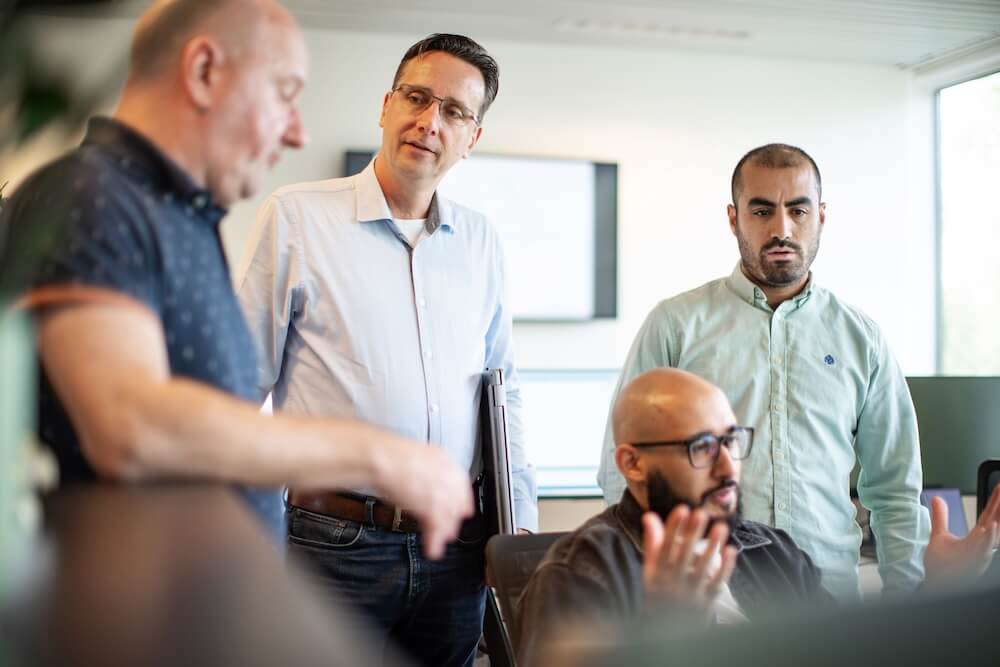
Does this sound familiar?
Three experiences we frequently hear from organizations that previously used some form of managed services.
Division of roles is unclear
When an incident occurs, the debate begins over who should resolve it. In the meantime, your application isn't running, and no one has taken the initiative.
Limited quality support
You’re not getting the level of support you expect. Questions remain unanswered too long, or the proposed solutions simply don’t meet your expectations.
Too dependant on specific person(s)
YHaving one person who knows everything about your infrastructure is convenient, until that person goes on vacation, falls ill, or changes jobs.
Division of responsibilities
These are the standard responsibilities within eCloud. Adjustments are possible and can be made in consultation, but this serves as the starting point.
Domain
Epact
Customer
Explanation
Data center, power, cooling, physical security
Yes
—
Professional data center
Hardware: servers, storage, network components
Yes
—
Including replacement and lifecycle
Network layer and segmentation
Yes
—
Connectivity to your sites by arrangement
Storage layer
Yes
—
Including capacity tracking
Hypervisor layer: Proxmox, cluster, HA
Yes
—
Including patching and updates
Monitoring of the platform layers
Yes
—
Proactive, with intervention where necessary
Virtual machines and containers
—
Yes
Create, configure, manage
Guest operating systems and their patching
—
Yes
Available as an additional service
Applications and application security
—
Yes
Stays with the application owner
User and access management in VMs
—
Yes
Access the platform via RBAC
Backup of VM's
Optional
Optional
Modules within eCloud
Disaster recovery and failover
Optional
Optional
To be tailored to specific needs
Defining RTO and RPO
Advises
Decides
It remains a business decision
Firewall (perimeter)
Yes
-
First layer of protection & segmentation
Firewall (own environment)
-
Yes
Epact can advise
Swipe opzij om de volledige tabel te zien →
Why our customers trust us


Before you sign a contract
Three questions to ask every managed cloud provider
1. Who does what if a virtual machine fails to boot at 3 a.m.? Who identifies the source of the problem, who is authorized to intervene, and who calls whom? An SLA that focuses solely on response times does not answer that question.
2. What is the exact scope of the monitoring? Which components and thresholds are involved, and what happens when an alert triggers outside office hours? "We monitor proactively" is not an answer.
3. What does your exit strategy look like? In what format will you receive your virtual machines and data, within what timeframe, and at what cost? Ask this before you sign up, not afterwards.
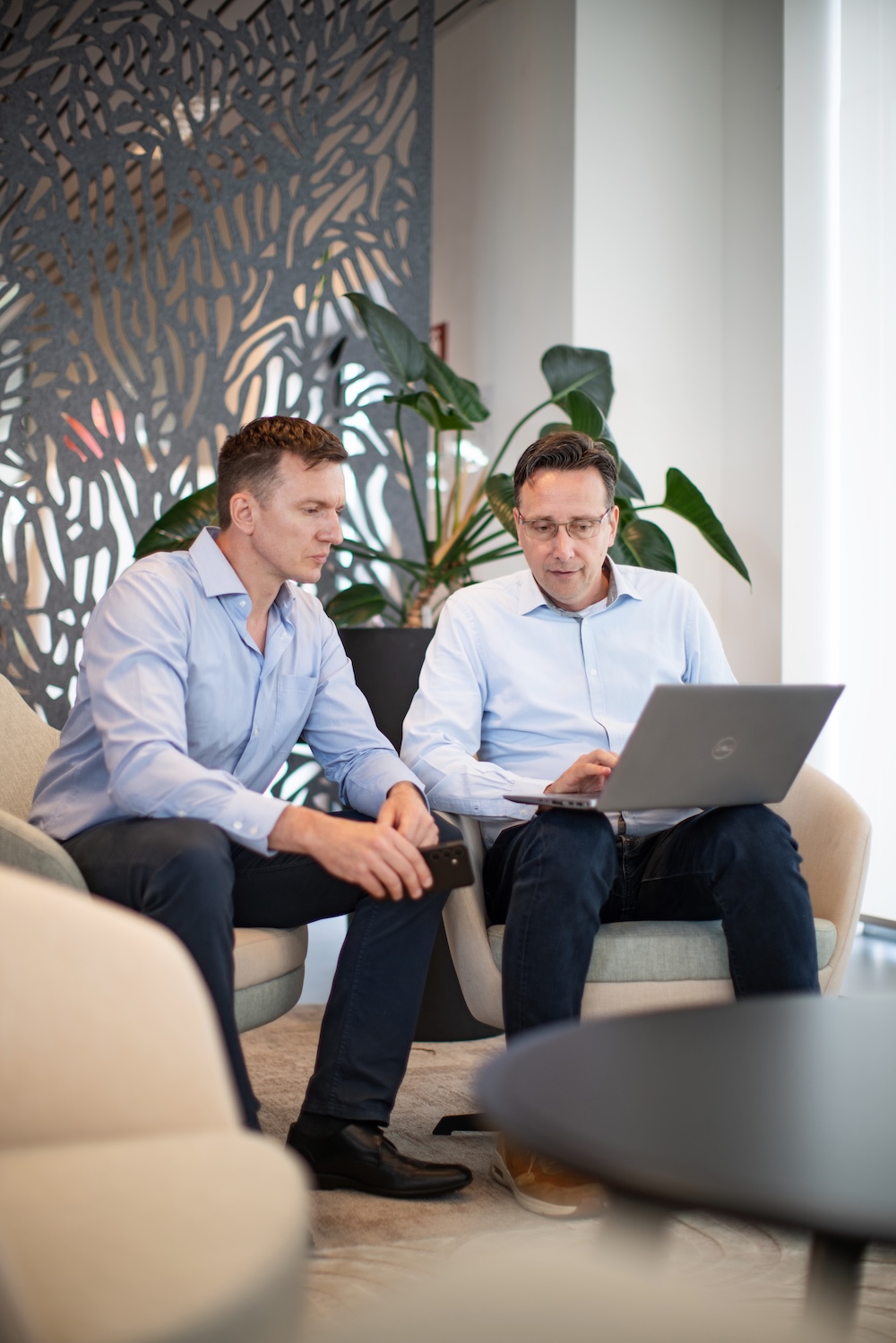
Why choose Epact as your partner?
What sets us apart from other private cloud providers?
Local experts
Whether you have a question, a problem, or a challenge, we are just a phone call or a visit away. A single point of contact—close by and independent of vendors.
One provider for the full stack
Data center, hardware, storage, network, and hypervisor: everything managed by the same team. You don’t have to figure out whether a problem lies with the storage vendors, the network provider, or the virtualization partner.
Monitoring & servicedesk together
Combining monitoring, maintenance, and support creates a single, integrated operational approach, rather than three separate services that point fingers at one another.

Who is responsible for what?
What can you expect?
• Agreed SLAs, response times, and an escalation path
• Proactive monitoring of platform layers
• Patch and lifecycle management for hypervisor, storage, and network
• A single operational point of contact for all layers
• Segmentation, RBAC, audit logs, and ISO-certified processes
• Documentation and a dedicated session for knowledge transfer and training
What should you not expect?
• That your application responsibility will disappear.
• That backup is automatically included.
• Immediate and unlimited elasticity.
• That your own governance will be taken over.
• That DR testing is no longer necessary.
Our partners, your guarantee to top quality



Recent insights
Blogs, webinars and ebooks from our experts.

Got a specific question or challenge?
Talk to one of our experts. Virtually or face-to-face, no strings attached. Who knows, we might have exactly the answer or solution you’re looking for.
The other elements of eCloud
What more do we have to say about eCloud?
Platform: Proxmox
eCloud runs on Proxmox Virtual Environment, a fully open-source virtualization platform of European origin. It offers a single console for your entire environment, enterprise-grade functionality included as standard rather than locked behind a separate license, and no per-CPU-core subscription fees.
Infrastructure & data centers
Beneath your virtual machines lies a clustered platform comprising enterprise-grade hardware, redundant storage, and a segmented network, all housed in professional data centers in Belgium. There is no shared computing capacity with unknown neighbors, and no investment cycle for you to plan.
Switching from VMware
Due to licensing changes and associated price hikes, many VMware customers are looking for alternatives. With eCloud, we offer a full-featured, more cost-effective alternative that scales on a per-virtual-machine basis, built on open-source technology from the European company Proxmox. Find out exactly how the switch works and what it costs.
Datasovereignty & compliance
Where is your data actually located, and under which jurisdiction? What happens if a foreign government demands access? Are you truly compliant, or do you simply assume so? These are the questions currently facing executive boards. Read how eCloud provides the answer: Belgian data centers, European technology, and compliance.